
tekonsha electric brake controller manual
Tekonsha Electric Brake Controller Manual: A Comprehensive Guide
Navigating trailer braking systems requires a detailed manual; Tekonsha offers solutions like the Primus IQ and Envoy‚ with wiring diagrams readily available online for installation assistance.
Tekonsha has established itself as a leading innovator in trailer brake control technology‚ offering a diverse range of controllers designed to enhance towing safety and performance. These controllers are crucial for safely managing trailers of varying sizes and weights‚ ensuring synchronized braking between the tow vehicle and the trailer. Understanding the functionality of a Tekonsha brake controller is paramount for any towing enthusiast.

From proportional controllers like the Primus IQ and Envoy‚ which react to the tow vehicle’s braking input‚ to user-adjustable systems‚ Tekonsha provides solutions for diverse towing needs. Resources like wiring diagrams (available at wjjeeps.com) demonstrate the commitment to user support. Proper installation and configuration‚ guided by a comprehensive manual‚ are essential for optimal braking performance and a secure towing experience. The availability of models like the P3 further expands options for different applications.
Understanding Electric Trailer Brakes
Electric trailer brakes are a fundamental safety component for any towed vehicle‚ operating independently of the tow vehicle’s hydraulic system. They utilize electromagnets to engage the trailer’s brake shoes or pads‚ providing stopping power proportional to the applied current. A Tekonsha brake controller acts as the central hub‚ translating the driver’s braking input into a signal that activates these brakes.
The effectiveness of electric brakes relies on proper adjustment and maintenance. Understanding concepts like gain (braking power) and sensitivity (responsiveness) is crucial for safe towing. Controllers like the Tekonsha Primus IQ are designed to optimize this process. Correct wiring‚ as illustrated in available diagrams‚ is also vital. Without a functioning electric brake system‚ towing can become significantly dangerous‚ highlighting the importance of a well-maintained setup and a thorough understanding of its operation.

Installation & Wiring
Proper installation demands careful wiring; diagrams illustrate connections to the tow vehicle and trailer‚ utilizing color-coded wires for a secure‚ functional brake controller setup.
Wiring Diagram Overview (Common Configurations)
Understanding wiring configurations is crucial for a successful installation. Common setups typically involve connecting the brake controller to the vehicle’s brake light signal‚ ground‚ and 12V power source. The brake controller then sends signals to the trailer’s electric brakes via a 7-way or 4-way connector. Diagrams‚ like those found on wjjeeps.com‚ visually represent these connections‚ often showing how to integrate the controller with existing wiring harnesses.
Key configurations include: a dedicated brake light input‚ a ground connection to the vehicle’s chassis‚ and a fused 12V power supply. Some vehicles may require a factory brake controller adapter. It’s essential to identify the correct wires for your specific vehicle and trailer. Incorrect wiring can lead to malfunctioning brakes or damage to the controller. Always consult the Tekonsha manual for your specific model and vehicle compatibility.
Identifying Brake Controller Wires (Color Codes)
Accurate wire identification is paramount for safe and effective brake controller installation. Tekonsha controllers generally utilize a standardized color-coding system‚ though variations can occur based on the specific model (Primus IQ‚ Envoy‚ P3). Typically‚ the blue wire serves as the brake output‚ sending signals to the trailer brakes. The white wire is the ground connection‚ crucial for completing the electrical circuit.
Power is usually supplied via a red wire‚ requiring a fused connection to the vehicle’s battery. A black wire often indicates the brake light input‚ triggered when the vehicle’s brakes are applied. Some controllers may include a purple or orange wire for manual override functionality; Always verify these color codes with the Tekonsha manual specific to your controller model to avoid miswiring and potential hazards.
Connecting to the Tow Vehicle (Wiring Harness)
Establishing a secure connection to the tow vehicle’s electrical system is vital. Utilizing a dedicated wiring harness‚ often sold separately‚ simplifies this process and avoids cutting into factory wiring. Locate the vehicle’s brake light circuit‚ typically accessible behind the dashboard or within the engine compartment. Connect the brake controller’s black wire to this circuit‚ ensuring it receives power only when the brakes are applied.
The red wire requires a connection to a fused 12V power source‚ protecting the controller from electrical surges. Ground the white wire to a clean‚ unpainted metal surface on the vehicle’s chassis. Proper grounding is essential for reliable operation. Double-check all connections for tightness and insulation to prevent shorts. Refer to your vehicle’s owner’s manual for specific wiring locations.
Connecting to the Trailer (Wiring Connector)
The trailer connection utilizes a standard 7-way RV blade connector‚ facilitating communication between the tow vehicle and trailer’s braking system. Ensure the connector is clean and free of corrosion for optimal signal transmission. The brake controller’s output wire (typically blue) connects to the trailer’s brake input wire within the connector. Verify correct pin assignments using a wiring diagram specific to your trailer.
Properly matching the wire colors is crucial for functionality. The connector also houses wires for running lights‚ turn signals‚ and reverse lights. Confirm these connections are secure and functioning correctly. A test light can be used to verify power and ground at each pin. Inspect the connector for damage and replace if necessary to maintain a reliable braking connection during transport.

Operation & Adjustment
Effective trailer braking relies on proper setup; adjust gain and sensitivity settings to match trailer weight and driving conditions for optimal control and safety.
Power Connection & Initial Setup
Establishing a secure power connection is the foundational step for operating your Tekonsha brake controller. Begin by locating the designated power source within your tow vehicle – typically the battery or a corresponding fused ignition wire. Ensure the controller is firmly mounted‚ following the manufacturer’s guidelines‚ before proceeding with wiring.
Once connected to power‚ the initial setup often involves a self-test sequence‚ indicated by the controller’s LED display. This diagnostic confirms proper internal functionality. Refer to your specific model’s manual (Primus IQ‚ Envoy‚ or P3) for interpreting these signals.
Before connecting to a trailer‚ familiarize yourself with the controller’s basic operational modes. Many Tekonsha controllers feature proportional braking‚ requiring initial calibration to accurately reflect the trailer’s braking characteristics. This calibration process is crucial for safe and effective towing‚ preventing premature wear or inadequate stopping power.
Proportional Brake Control Explained
Proportional brake control is a core feature of many Tekonsha controllers‚ dynamically adjusting trailer braking force based on the tow vehicle’s deceleration. Unlike time-delayed systems‚ proportional control mirrors the driver’s braking input‚ providing smoother‚ more controlled stops. As the vehicle slows‚ the controller sends increasing voltage to the trailer brakes‚ maintaining a consistent braking ratio.
This system enhances safety by reducing trailer sway and minimizing stopping distances. The ‘gain’ setting‚ discussed elsewhere in this manual‚ is critical for fine-tuning the proportionality. A correctly adjusted gain ensures the trailer brakes engage appropriately without overpowering the tow vehicle or causing skidding.
Understanding proportional control is vital for maximizing the benefits of your Tekonsha controller‚ particularly when towing varying loads or navigating diverse terrains. It’s a significant advancement over older braking technologies.
Manual Override Functionality
The manual override feature on your Tekonsha brake controller provides a crucial safety net‚ allowing for independent trailer brake application. This is particularly useful in emergency situations or when descending steep grades where additional braking power is needed. Activating the manual override bypasses the proportional circuit‚ applying the trailer brakes directly‚ regardless of the vehicle’s speed or braking input.
It’s essential to use this function cautiously‚ as abrupt application can lead to loss of control. Familiarize yourself with the override’s location and operation before towing. The override is typically a lever or button clearly labeled on the controller’s faceplate.
Regularly testing the manual override ensures it functions correctly‚ providing peace of mind during your travels. Remember to release the override once the immediate need has passed‚ returning control to the proportional system.
Gain Adjustment: Fine-Tuning Braking Power
Proper gain adjustment is paramount for safe and effective trailer braking. The gain setting dictates how aggressively the trailer brakes respond to the vehicle’s braking signal. Too little gain results in insufficient stopping power‚ while excessive gain can cause trailer brakes to lock up‚ leading to skidding and instability.
Start with a low gain setting and gradually increase it during a test drive on a safe‚ open stretch of road. Observe the trailer’s braking performance – it should track straight and stop in a controlled manner. Adjust the gain until the trailer brakes feel balanced with the tow vehicle.
Factors like trailer weight‚ tire condition‚ and road surface influence the optimal gain setting. Regularly re-evaluate and adjust the gain as load conditions change for optimal performance.
Sensitivity Settings: Adapting to Load
Tekonsha brake controllers often feature sensitivity settings‚ allowing customization based on trailer load and driving conditions. Sensitivity adjusts how quickly the controller responds to initial brake application from the tow vehicle. Higher sensitivity is beneficial for lighter loads or situations demanding quicker braking response‚ like mountainous terrain.
Conversely‚ lower sensitivity is preferable for heavier loads or flat‚ open roads‚ preventing jerky braking and enhancing stability. Experimenting with sensitivity levels during test drives is crucial to find the optimal setting for your specific setup.
Remember to adjust sensitivity whenever the trailer’s weight changes significantly. Proper sensitivity calibration ensures smooth‚ controlled braking‚ maximizing safety and minimizing wear on both the trailer brakes and tow vehicle.
Troubleshooting & Diagnostics
Addressing issues involves checking fuses‚ interpreting error codes‚ and resolving common problems like unresponsive brakes; online resources offer wiring diagrams for diagnostics.
Common Issues & Solutions
Experiencing issues with your Tekonsha brake controller is common‚ but often easily resolved. A frequent problem is a lack of brake function‚ typically stemming from a blown fuse within the controller or the tow vehicle’s fuse box – always check both! Another issue involves inconsistent braking; this often points to incorrect gain settings requiring careful adjustment based on trailer load.
Wiring problems‚ such as loose connections or corroded terminals‚ can also cause erratic behavior. Inspect all connections at the controller‚ wiring harness‚ and trailer connector. If the controller displays an error code‚ consult the manual for specific troubleshooting steps. Finally‚ ensure compatibility between the controller‚ tow vehicle‚ and trailer wiring; adapters may be necessary. Remember to disconnect the battery before performing any electrical work.
Error Codes & Their Meanings
Tekonsha brake controllers utilize error codes to diagnose system faults‚ providing valuable insight into potential problems. While specific codes vary by model (Primus IQ‚ Envoy‚ P3)‚ a common indicator relates to open or shorted trailer wiring. This usually signifies a break or short in the connection between the controller and trailer brakes.
Another frequent code signals a low voltage condition‚ potentially caused by a weak battery or insufficient power supply to the controller. Some controllers display codes related to internal component failures‚ requiring professional repair or replacement. Always refer to your specific Tekonsha model’s manual for a complete list of error codes and their corresponding solutions. Ignoring error codes can lead to unsafe towing conditions and potential brake failure.
Fuse Check & Replacement
A blown fuse is a common cause of Tekonsha brake controller malfunction‚ and a simple check can often resolve the issue. Locate the fuse box within your tow vehicle‚ typically under the dashboard or in the engine compartment. Identify the fuse designated for the brake controller – consult your vehicle’s owner’s manual for its specific location.
Visually inspect the fuse; a broken filament indicates a blown fuse. Replace it with a fuse of the exact same amperage rating. Never use a higher amperage fuse‚ as this could damage the controller or wiring. If the replacement fuse blows immediately‚ it suggests a short circuit within the system‚ requiring further diagnostics. Regularly checking and replacing fuses proactively ensures reliable brake controller operation and towing safety.
Specific Tekonsha Models
Tekonsha offers diverse controllers‚ including the Primus IQ‚ Envoy‚ and P3‚ each with unique features and manual guides for optimal trailer braking performance.
Tekonsha Primus IQ: Features & Manual
The Tekonsha Primus IQ (Model 90160) is a popular choice for proportional brake control‚ offering smooth and reliable braking performance. This controller excels in its user-friendly design and straightforward installation process. Key features include its digital display‚ which provides clear feedback on brake activity and system status.
The Primus IQ’s proportional circuit accurately mirrors the tow vehicle’s braking‚ applying the appropriate amount of force to the trailer brakes. It’s designed for ease of use‚ with simple gain and sensitivity adjustments to fine-tune braking to specific loads and driving conditions.
Finding the manual is crucial; online resources and Tekonsha’s website provide comprehensive documentation. The manual details wiring schematics‚ troubleshooting steps‚ and detailed explanations of all features. Proper installation‚ guided by the manual‚ ensures optimal performance and safety. Learning is made easy with step-by-step instructions.
Tekonsha Envoy: Features & Manual
The Tekonsha Envoy brake controller is renowned for its sleek design and advanced functionality‚ providing exceptional trailer braking control. It features a user-friendly interface with a clear LCD display‚ offering real-time feedback on braking performance and system diagnostics. The Envoy utilizes proportional braking technology‚ ensuring smooth and responsive stops that mirror the tow vehicle’s deceleration.
Key features include adjustable sensitivity settings‚ allowing customization for various trailer loads and driving conditions. The manual override function provides immediate braking power when needed‚ enhancing safety in emergency situations. Installation is relatively straightforward‚ aided by detailed wiring diagrams available online and within the comprehensive user manual.

Accessing the Tekonsha Envoy manual is vital for proper setup and troubleshooting. It breaks down complex concepts into simple steps‚ making understanding effortless. Compatible accessories further enhance its usability and integration with different vehicle setups.
Tekonsha P3: Features & Manual
The Tekonsha P3 brake controller stands out as a versatile and technologically advanced option for trailer braking. It boasts a digital display and intuitive controls‚ offering precise adjustments for optimal performance. The P3’s smart circuitry learns and adapts to your trailer’s braking characteristics‚ delivering consistent and reliable stopping power.
Key features include a built-in diagnostic display that provides error code readings and system status updates‚ simplifying troubleshooting. The P3 supports both timed-delay and proportional braking modes‚ catering to diverse towing needs. Installation is streamlined with color-coded wiring and a detailed manual‚ ensuring a secure and functional setup.
The accompanying manual is crucial for understanding the P3’s full capabilities. It guides users through initial setup‚ gain adjustment‚ and sensitivity settings‚ maximizing braking efficiency and safety. Compatible wiring adapters and connectors further enhance its integration with various vehicles.
Accessories & Compatibility
Enhance your Tekonsha controller with wiring adapters and connectors; ensure compatibility with your trailer and tow vehicle for seamless‚ safe operation.
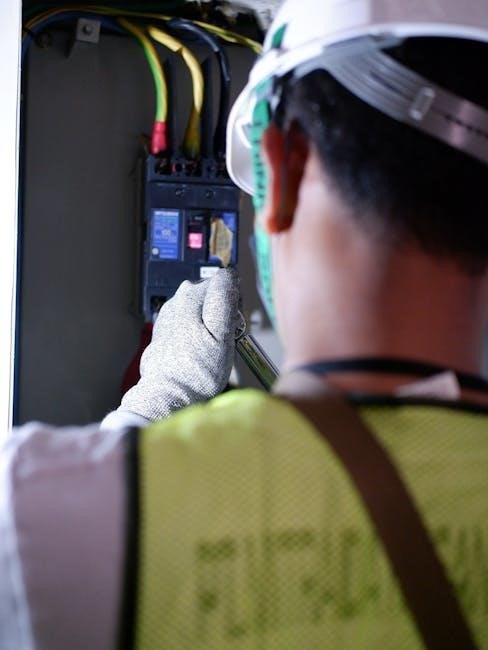
Wiring Adapters & Connectors
Successfully integrating a Tekonsha brake controller often necessitates the use of specific wiring adapters and connectors; These components bridge the gap between the tow vehicle’s electrical system and the trailer’s‚ ensuring proper communication for effective braking. Common adapter types include 4-way to 7-way‚ 6-way to 7-way‚ and vehicle-specific harnesses designed to simplify installation without cutting factory wiring.
Choosing the correct adapter is crucial; consider the existing connector on both the vehicle and the trailer. Tekonsha and aftermarket manufacturers offer a wide range of options‚ including those with integrated relays to protect the vehicle’s electrical system. Properly crimped or soldered connections are vital for reliable performance‚ and dielectric grease should be applied to prevent corrosion. Utilizing quality connectors minimizes voltage drop and ensures consistent brake signal transmission‚ contributing to safer towing experiences.
Compatible Trailers & Vehicles
Tekonsha brake controllers demonstrate broad compatibility‚ functioning effectively with a diverse range of trailers and tow vehicles. However‚ verifying compatibility is paramount before installation. Generally‚ Tekonsha controllers are suitable for trailers equipped with electric brakes‚ encompassing travel trailers‚ boat trailers‚ and utility trailers.
Vehicle compatibility depends on the existing wiring harness; most modern trucks and SUVs are pre-wired for trailer brake controllers‚ though adapters may be needed for older models or specific vehicle brands. Tekonsha provides compatibility charts and resources on their website to assist in selecting the appropriate controller for your vehicle. Ensuring proper voltage and wiring configuration is essential for optimal performance and safety‚ guaranteeing a secure towing experience across various trailer and vehicle combinations.