
nremt medical assessment scenarios pdf
NREMT Medical Assessment Scenarios: A Comprehensive Guide
NREMT medical assessment PDF resources offer interactive skill sheets, aiding students in mastering physical maneuvers and interview techniques for emergency situations.
Understanding the NREMT Exam Format
The NREMT EMT cognitive exam utilizes Computer Adaptive Testing (CAT), presenting 70-120 questions tailored to your skill level. Success certifies you as a Nationally Registered Emergency Medical Technician. PDF practice materials, including scenario-based questions, are crucial for familiarization. These resources simulate real-world emergencies, enhancing preparedness.
Many students find the exam challenging due to its unique style and language, particularly scenario-based questions. PDFs help bridge this gap by offering realistic simulations. Mastering patient assessment through these scenarios is key. They allow repeated practice of critical thinking and decision-making skills, vital for exam success and competent patient care in the field.
Computer Adaptive Testing (CAT) and Scenario-Based Questions
CAT adjusts difficulty based on your responses, demanding strong foundational knowledge. NREMT scenarios mimic real-life emergencies, testing your assessment and decision-making abilities. PDF resources provide invaluable practice with these question types. They allow you to repeatedly encounter diverse patient presentations and refine your approach.
These PDF scenarios often require you to act as if you are on scene, interpreting information and choosing the best course of action. Familiarity with the format and language used in these questions is crucial. Utilizing PDF practice materials helps desensitize you to the pressure of the exam and builds confidence in your clinical judgment.
Importance of Practice Scenarios for NREMT Preparation
NREMT preparation significantly benefits from realistic practice scenarios, and PDF resources deliver precisely that. These simulated situations bridge the gap between theoretical knowledge and practical application, crucial for success. Repeated exposure to diverse cases, available in PDF format, enhances your ability to quickly assess patients and formulate appropriate treatment plans.
PDF scenarios allow for self-paced learning and repeated attempts, solidifying your understanding of key concepts. They help you anticipate potential challenges and refine your clinical reasoning skills. Mastering these scenarios builds confidence and reduces anxiety during the actual exam, ultimately improving your performance.
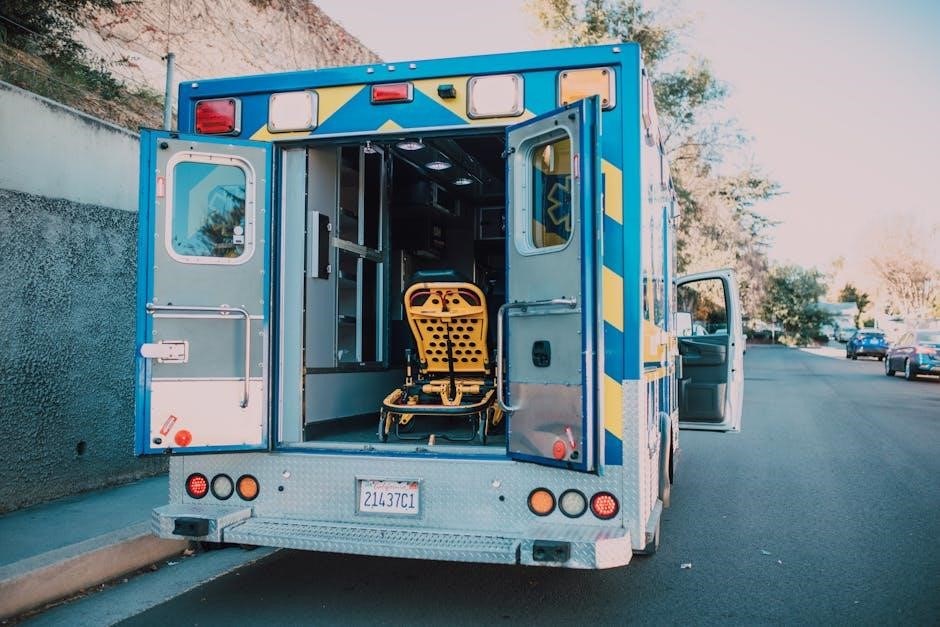
Core Patient Assessment Skills Tested
PDF practice materials reinforce essential skills like scene size-up, patient history (OPQRST/SAMPLE), and focused exams – vital for NREMT success.
Scene Size-Up and Initial Assessment
NREMT PDF scenarios heavily emphasize a systematic approach to scene safety and initial assessment. These resources often present dynamic environments requiring students to identify hazards before patient contact.
Practice PDFs simulate forming a general impression, assessing responsiveness, and activating additional resources. They challenge students to quickly determine the number of patients and prioritize care based on immediate life threats.
Effective PDF materials will guide learners through the crucial steps of BSI, scene evaluation, mechanism of injury/illness determination, and the initial assessment sequence – airway, breathing, and circulation – preparing them for realistic exam questions.
Patient History Taking – OPQRST and SAMPLE
NREMT PDF practice scenarios prioritize effective patient history collection using both OPQRST and SAMPLE mnemonics. These resources present simulated patient interviews, demanding accurate questioning and attentive listening skills.
PDF materials often include scripted patient responses, forcing students to adapt their questioning based on the information received. They emphasize eliciting details about the patient’s chief complaint (OPQRST) and relevant medical history (SAMPLE).
Realistic PDF scenarios challenge students to differentiate between pertinent and non-pertinent information, honing their ability to build a concise and informative patient history crucial for accurate diagnosis and treatment.
Focused Physical Exam Techniques
NREMT PDF scenarios heavily emphasize mastering focused physical exam techniques, mirroring real-world emergency assessments. These resources often detail expected findings based on presented chief complaints, guiding students through systematic evaluations.
PDF materials frequently incorporate checklists to ensure comprehensive assessments, covering vital signs, lung sounds, palpation, and neurological evaluations. They reinforce proper technique and accurate documentation.
Interactive PDFs may present variations in patient presentation, requiring students to adjust their exam focus accordingly. This builds adaptability and critical thinking skills essential for effective prehospital care, preparing them for diverse emergency situations.

Common NREMT Medical Assessment Scenarios
PDF practice materials present common scenarios – respiratory distress, chest pain, altered mental status, and trauma – for realistic NREMT exam preparation.
Respiratory Distress Scenario – 67-Year-Old Female
PDF-based respiratory distress scenarios, like the case of a 67-year-old female struggling to breathe, are crucial for NREMT preparation. These resources simulate real-world calls, demanding rapid assessment and intervention skills.
Practice materials often detail the patient’s presentation – sitting upright, expressing breathlessness – prompting students to apply learned techniques. They reinforce the importance of scene size-up, vital sign acquisition (respiratory rate, SpO2), and airway management.
PDF scenarios allow repeated practice, building confidence in recognizing and treating respiratory emergencies. They emphasize the need for accurate patient history taking (OPQRST) and appropriate oxygen administration protocols, mirroring the NREMT exam’s focus on practical application.
Chest Pain Scenario – Potential Cardiac Event
NREMT preparation PDFs frequently include chest pain scenarios, simulating potential cardiac events requiring swift and decisive action. These resources challenge students to differentiate between various causes of chest discomfort, honing their diagnostic skills.
Effective PDF materials guide learners through a systematic assessment, emphasizing the importance of patient history (OPQRST, SAMPLE) and focused physical exams. They reinforce the need to obtain vital signs, including blood pressure and heart rate, and to recognize signs of cardiac compromise.
These scenarios promote proficiency in ECG monitoring and interpretation, preparing students for real-world emergencies. Repeated practice with PDF resources builds confidence in managing potentially life-threatening cardiac conditions, aligning with NREMT exam expectations.
Altered Mental Status Scenario – Identifying Causes
NREMT practice PDFs often feature altered mental status scenarios, demanding students systematically identify potential underlying causes. These resources emphasize a thorough neurological assessment, including the AVPU scale to determine level of consciousness and pupil evaluation for deficits.
High-quality PDF materials guide learners through differential diagnoses, prompting consideration of factors like hypoxia, hypoglycemia, stroke, and intoxication. They reinforce the critical step of blood glucose monitoring in these cases, alongside a comprehensive patient history (SAMPLE).
These scenarios build skills in recognizing subtle neurological changes and prioritizing interventions. Consistent practice with PDF resources prepares students to effectively manage patients with altered mental status, crucial for NREMT success.
Traumatic Injury Scenario – Mechanism of Injury
NREMT preparation PDFs frequently include traumatic injury scenarios, heavily emphasizing the importance of understanding the mechanism of injury (MOI). These resources train students to correlate the incident details – like vehicle collisions or falls – with potential internal injuries.
Effective PDF materials guide learners through a systematic head-to-toe assessment, focusing on identifying signs of trauma and prioritizing life threats. They reinforce the need to anticipate injuries based on the MOI, even before a complete physical exam is finished;
Practice scenarios within these PDFs build skills in rapid trauma assessment and appropriate interventions, preparing students for realistic emergency situations and NREMT exam challenges.

Detailed Scenario Breakdown: Respiratory Distress
PDF resources detail respiratory distress scenarios, like a 67-year-old female with breathing difficulties, aiding NREMT students in assessment and intervention practice.
Initial Assessment Findings in Respiratory Distress
PDF-based NREMT practice scenarios for respiratory distress emphasize observing the patient’s position – often sitting upright to maximize lung expansion. Key findings include labored breathing, audible wheezes or crackles, and potential use of accessory muscles in the neck and chest.
Assess the patient’s level of consciousness, noting any alterations potentially stemming from hypoxia. Vital signs are crucial; expect an elevated respiratory rate and possibly decreased SpO2 levels. Skin assessment may reveal pallor or cyanosis.
PDF materials often prompt students to systematically document these initial observations, forming a baseline for ongoing assessment and guiding treatment decisions. Recognizing these early indicators is vital for effective management.
Airway Management Techniques in Respiratory Distress
NREMT PDF scenarios for respiratory distress prioritize maintaining a patent airway. Techniques include the head-tilt/chin-lift maneuver (if no suspected cervical spine injury) and jaw-thrust maneuver. Suctioning is crucial to clear secretions obstructing airflow.
PDF materials often detail proper oxygen administration techniques, starting with supplemental oxygen via nasal cannula or non-rebreather mask, titrating to maintain adequate SpO2.
Consider assisted ventilation with a bag-valve mask (BVM) if the patient exhibits inadequate respiratory effort. PDF resources emphasize proper BVM technique and reassessment after each ventilation. Prompt recognition and intervention are key to preventing further deterioration.

Oxygen Administration Protocols
NREMT PDF practice materials thoroughly cover oxygen administration protocols, emphasizing titration based on patient presentation and pulse oximetry readings. Initial interventions often begin with a nasal cannula at 2-6 LPM, aiming for an SpO2 of 94-98%.
For increased oxygen demand, a non-rebreather mask delivering 10-15 LPM is recommended. PDF scenarios highlight the importance of assessing for signs of respiratory distress and adjusting flow rates accordingly.
Assisted ventilation with a BVM and high-flow oxygen is detailed for patients with inadequate breathing. Proper mask seal and ventilation rate are crucial, as emphasized in these resources.
Vital Signs Interpretation – Respiratory Rate & SpO2
NREMT PDF scenarios heavily emphasize vital sign interpretation, particularly respiratory rate and SpO2, as indicators of patient status. Normal respiratory rates are 12-20 breaths per minute; deviations suggest distress.
Pulse oximetry readings, ideally 94-98%, guide oxygen therapy decisions. PDF materials illustrate how to correlate low SpO2 with underlying respiratory issues.
Understanding limitations – such as inaccurate readings with poor perfusion – is crucial. Scenarios challenge students to analyze trends, not just single values, and adjust treatment accordingly, reinforcing critical thinking skills.

Scenario Practice: Altered Mental Status
PDF practice scenarios for altered mental status require determining consciousness levels using the AVPU scale and assessing neurological deficits effectively.
Determining Level of Consciousness (AVPU Scale)
PDF-based NREMT practice scenarios heavily emphasize the AVPU scale – Alert, Verbal, Painful, Unresponsive – for rapid consciousness assessment. These materials guide students through systematically evaluating a patient’s responsiveness to different stimuli.
Effective PDF resources will detail how to appropriately apply each stimulus, noting expected responses at each level. They’ll also highlight the importance of documenting AVPU findings accurately, as this forms a crucial baseline for monitoring changes in a patient’s condition.
Furthermore, quality PDFs will often include scenarios where the patient’s level of consciousness fluctuates, requiring repeated AVPU assessments and careful observation. This prepares students for the dynamic nature of real-world emergencies.
Pupil Assessment and Neurological Deficits
NREMT medical assessment PDF scenarios frequently incorporate pupil assessment as a key component of neurological evaluation. These resources detail proper technique – observing size, equality, reactivity to light – and interpreting findings in relation to potential neurological issues.
PDF materials emphasize correlating pupil findings with other neurological deficits, such as weakness, numbness, or altered speech. Scenarios often present patients exhibiting unilateral weakness or facial drooping, prompting students to assess pupils for anisocoria (unequal size).
High-quality PDFs will also cover the significance of pinpoint or dilated pupils, linking them to potential causes like opioid overdose or head trauma, preparing students for differential diagnoses.
Blood Glucose Monitoring in Altered Mental Status
NREMT medical assessment PDF scenarios consistently highlight the critical importance of blood glucose monitoring in patients presenting with altered mental status. These resources reinforce that hypoglycemia is a readily reversible cause of confusion or unresponsiveness, demanding immediate assessment.
PDF practice materials guide students through the proper technique for performing a blood glucose check, emphasizing infection control and accurate meter operation. Scenarios often present patients with a history of diabetes, increasing the index of suspicion for hypoglycemia.
Effective PDFs will also detail appropriate interventions based on blood glucose readings, including administering oral glucose or contacting medical control for further guidance, preparing students for real-world application.
Differential Diagnosis for Altered Mental Status
NREMT medical assessment PDF scenarios emphasize building a broad differential diagnosis when encountering altered mental status. These resources move beyond simple hypoglycemia, prompting students to consider a range of possibilities.
PDF practice materials present scenarios involving stroke, head injury, sepsis, drug overdose, and environmental exposures – all potential causes. They encourage systematic evaluation, linking signs and symptoms to possible underlying conditions.
Good PDFs will include prompts to consider the patient’s history, medications, and the scene environment to refine the differential. Students learn to prioritize diagnoses based on likelihood and the need for immediate intervention, mirroring real-world clinical reasoning.
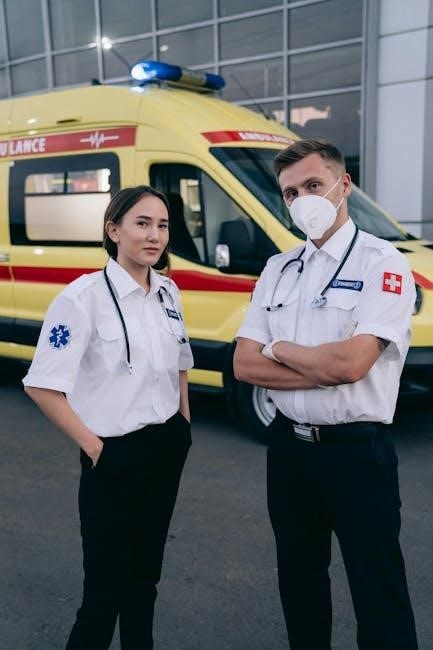
Advanced Assessment Techniques
NREMT PDF scenarios integrate cardiac monitoring, pulse oximetry, and capillary refill assessments, enhancing diagnostic skills for complex patient presentations.
Cardiac Monitoring and ECG Interpretation
NREMT practice PDFs frequently incorporate cardiac monitoring and ECG interpretation scenarios, crucial for identifying life-threatening arrhythmias and guiding treatment decisions. These resources often present simulated ECG strips requiring analysis, testing your ability to recognize normal sinus rhythm, atrial fibrillation, ventricular tachycardia, and other critical patterns.
Effective PDF materials will not only show the ECG but also provide the patient’s clinical presentation, prompting you to correlate the rhythm with the patient’s symptoms. This holistic approach mirrors the real-world demands of the NREMT exam and clinical practice. Mastering ECG interpretation within these scenarios builds confidence and improves patient care outcomes.
Pulse Oximetry Limitations and Considerations
NREMT preparation PDFs should emphasize pulse oximetry’s limitations, a frequently tested concept. Scenarios often present patients where SpO2 readings may be inaccurate – for example, in cases of carbon monoxide poisoning, severe anemia, or poor peripheral perfusion. Understanding these limitations is vital for appropriate clinical judgment.
Quality PDF resources will include scenarios requiring you to consider alternative assessments when pulse oximetry is unreliable, such as assessing skin color, mental status, and arterial blood gases. Recognizing factors affecting accuracy—like nail polish or ambient light—demonstrates a comprehensive understanding crucial for successful NREMT exam performance and effective patient care.
Capillary Refill Time Assessment
NREMT practice PDFs should thoroughly cover capillary refill time (CRT) assessment, a key indicator of peripheral perfusion. Scenarios frequently test your ability to accurately perform and interpret CRT, recognizing normal versus prolonged times. Resources should detail proper technique – pressing on the nail bed until it blanches, then observing the return of color.
Effective PDF materials will present scenarios where CRT findings influence treatment decisions. For instance, delayed CRT might suggest hypovolemia or shock, prompting interventions like fluid resuscitation. Understanding factors affecting CRT – like ambient temperature – is also crucial. Mastering this skill, through scenario practice, is vital for NREMT success and competent patient evaluation.
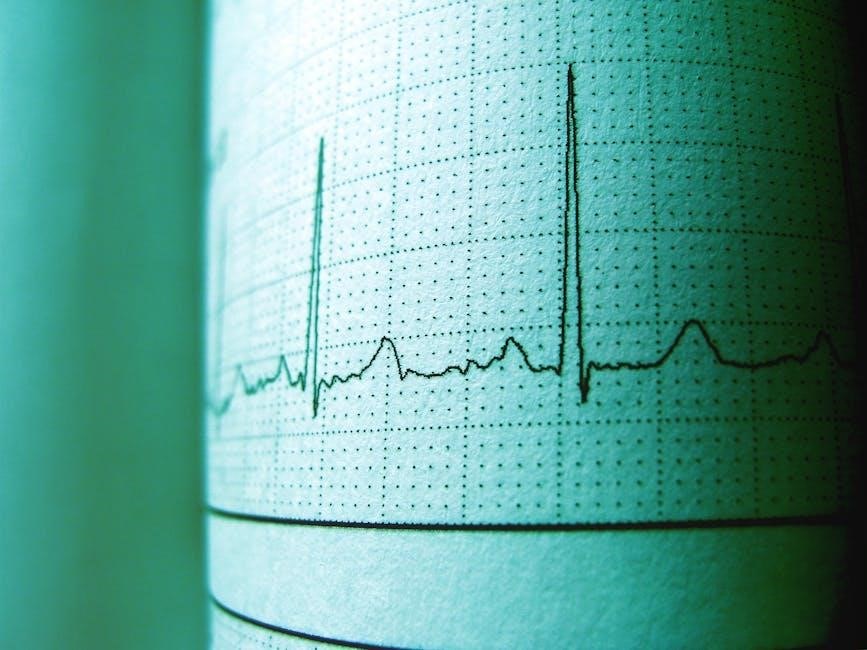
Utilizing NREMT Medical Assessment PDFs

PDF practice materials provide benefits like accessible, focused study aids, and allow integration into study plans for mastering NREMT assessment skills.
Benefits of Using PDF Practice Materials
PDF practice materials offer several key advantages for NREMT preparation. They provide a convenient and portable study resource, accessible on various devices without requiring an internet connection. These materials often present interactive skill sheets, assisting students in learning and refining crucial physical examination maneuvers and effective patient interview techniques essential during medical emergencies.
Furthermore, PDFs allow focused practice on specific assessment scenarios, reinforcing knowledge and building confidence. They are excellent for repeated review, solidifying understanding of protocols and decision-making processes. Utilizing these resources effectively complements other study methods, enhancing overall exam readiness and practical skill development for aspiring EMTs.
Finding Reliable and Updated PDF Resources
Locating trustworthy and current NREMT medical assessment PDF resources requires careful consideration. Official NREMT websites and reputable EMT training programs are excellent starting points, often providing sample questions and scenario outlines. Beware of outdated materials, as protocols and guidelines evolve. Online EMT forums and study groups can offer recommendations, but verify the source’s credibility.
Prioritize resources aligned with the latest NREMT exam content outlines. Look for PDFs that include detailed explanations, rationales for correct answers, and realistic patient presentation scenarios. Regularly check for updates to ensure the information reflects current best practices in emergency medical care, maximizing your study effectiveness.
Integrating PDF Scenarios into Study Plans
Effectively incorporating NREMT medical assessment PDF scenarios into your study routine is crucial for success. Begin by allocating dedicated time slots specifically for scenario practice, simulating exam conditions. Work through each scenario methodically, applying your knowledge of patient assessment, history taking, and treatment protocols.
After completing a scenario, review your performance, identifying areas for improvement. Utilize the provided rationales to understand correct approaches. Consider creating a study group to discuss scenarios collaboratively, enhancing learning. Aim for consistent practice, gradually increasing the complexity of scenarios to build confidence and preparedness for the NREMT exam.
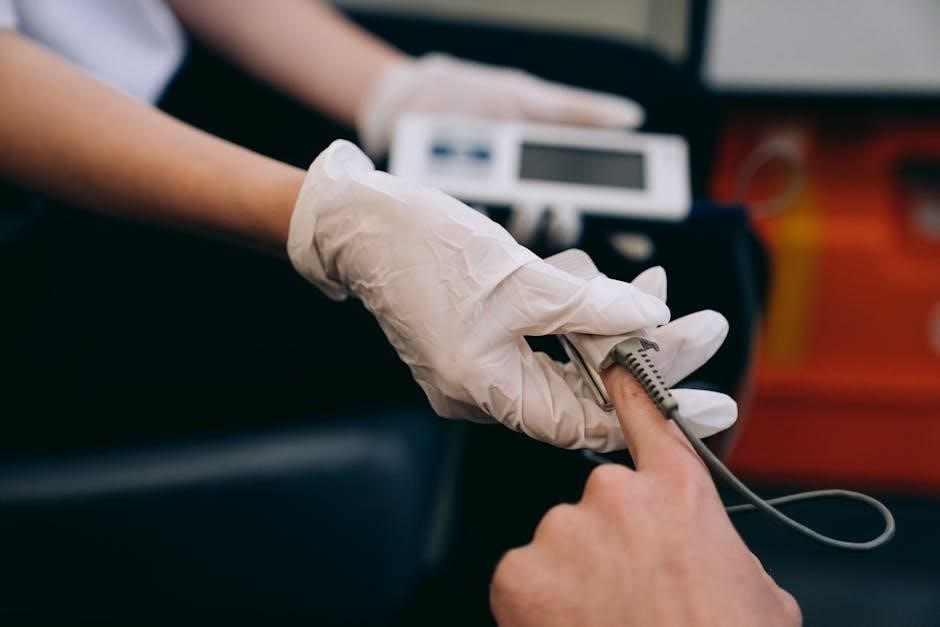
Preparing for OSCEs (Objective Structured Clinical Examinations)
PDF scenarios aid OSCE preparation by testing core skills – assessment, airway management, CPR, bleeding control, and shock management – in simulated emergencies.
Scenario-Based OSCE Formats
OSCEs increasingly utilize scenario-based formats, mirroring real-world emergency responses. PDF practice materials are invaluable for familiarizing students with these dynamic assessments. These resources present simulated patient encounters, demanding application of learned skills – patient assessment, airway management, and crucial interventions like CPR and bleeding control.
PDF scenarios allow repeated practice, building confidence and proficiency. They often include detailed patient histories, vital signs, and evolving clinical presentations, forcing candidates to adapt their approach. Some states are piloting these formats, yet the core skills remain consistent. Utilizing PDFs helps bridge the gap between theoretical knowledge and practical application, preparing candidates for the pressures of a live OSCE environment.
Core Skills Tested in OSCEs: Assessment, Airway, CPR, Bleeding Control, Shock Management
NREMT OSCEs rigorously evaluate core emergency medical skills. PDF practice scenarios are crucial for mastering these areas: comprehensive patient assessment, rapid airway management techniques, proficient CPR execution, effective bleeding control methods, and recognizing/managing shock.
PDF resources provide structured practice, allowing repeated attempts at each skill. They often present scenarios requiring prioritization and critical thinking. Candidates must demonstrate competency in vital sign interpretation, focused physical exams, and appropriate intervention selection. Utilizing PDFs ensures familiarity with expected performance standards, boosting confidence and preparedness for the practical examination and real-world emergencies.
Simulating Real-Life Emergency Situations
NREMT preparation benefits immensely from PDF-based scenario simulations. These resources recreate the pressure and complexity of actual emergency calls, demanding quick decision-making and skillful execution. PDF scenarios often include patient presentations, vital signs, and evolving conditions, mirroring real-world unpredictability.
Effective practice involves acting as if the scenario is live, adhering to protocols, and communicating clearly. Utilizing PDF materials allows repeated exposure to diverse situations – respiratory distress, altered mental status, trauma – building confidence and refining assessment skills. This immersive approach bridges the gap between theoretical knowledge and practical application, preparing candidates for successful performance.